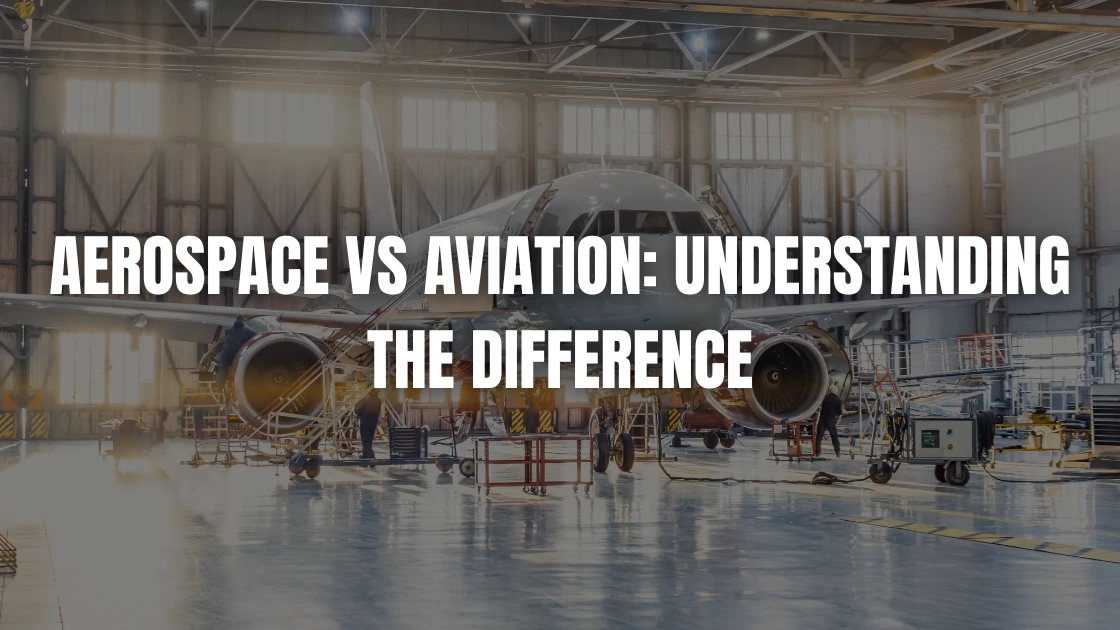


Flying machines, space gadgets, rocket science—those come to mind when someone hears What is Aerospace and Defense. Yet there’s more beneath the surface than jets or missiles on display.
Think satellites guiding everyday signals or unseen systems protecting data across borders. It’s not only about building hardware; materials science matters too. Even weather forecasting relies on technology born in this field. Governments depend on it, yes—but so do farmers using GPS-fed tractors. Quietly and deeply woven into modern life, this sector shapes routines most never notice.
Understanding what is aerospace and defense becomes important if you’re considering a career in it, investing in its companies, or simply exploring how it influences technology, safety, and global trade. From the plane ride you took on holiday to the orbiting systems guiding your map app, and even tools protecting national boundaries, aerospace and defense reaches far.
Picture how vast this industry really is, then consider its subtle impact—often overlooked, yet shaping daily life in ways few stop to think about.
How Aerospace and Defense Connect
Out here, aerospace meets defense – not always the same thing, yet tangled in similar tech, factories, upside-down blueprints. One feeds into the other, sometimes quietly, through shared skills and metal-bending know-how.
A machine meant to travel through air or beyond Earth begins with an idea drawn on paper. What comes next is building something able to lift off, move forward, and stay balanced.
Flying things range from small remote-controlled devices hovering above ground to massive passenger carriers crossing oceans. Some rotate blades overhead to rise straight up instead of racing down a runway. Others launch skyward with explosive force, breaking free from gravity’s hold.
Vehicles meant for outer space often carry instruments, messages, even humans into darkness. If moving inside the atmosphere or gliding between stars, they belong to one vast category shaped by physics and purpose.
Ahead of threats, nations build tools to protect their people – tanks roll, ships sail, planes fly with precision. Behind every move are complex networks that guide missiles, link soldiers, watch skies. Some machines guard borders while others dive deep into digital shadows.
What ties these fields isn’t theory – it’s how they work on the ground. Firms often move across both areas because tools and methods fit in each.
Major Segments Within Aerospace and Defense
Breaking it into parts makes the big picture easier to see.
Commercial Aviation
Planes take people and goods around the world. Airlines run flights, freight companies move shipments. Aircraft manufacturing sits with companies like Boeing and Airbus, while engines come from GE, Rolls-Royce, and Pratt & Whitney. Airports, air traffic control, and maintenance teams keep everything moving safely.
Military Aviation
Fighter jets, bombers, transports, helicopters, and drones all serve combat roles. Lockheed Martin, Northrop Grumman, and Boeing’s defense divisions shape much of this space.
Space Systems
Rockets and satellites drive exploration, communication, and observation. NASA, SpaceX, and Blue Origin push boundaries once owned solely by governments.
Missiles and Guided Weapons
Precision weapons and defense shields take shape through companies like Raytheon, Lockheed Martin, and Northrop Grumman.
Naval Defense
Submarines, carriers, destroyers, and integrated systems dominate sea defense. Huntington Ingalls and General Dynamics lead much of this work.
Ground Systems
Tanks, armored vehicles, and artillery support land forces. BAE Systems and General Dynamics shape much of this terrain.
Cyber and Electronic Warfare
Radar, signal intelligence, cybersecurity, and digital defense grow fast, blending software with national security needs.
Support, Logistics, and Sustainment
Maintenance, training, supply chains, and long-term support extend systems’ life cycles for decades.
The Workforce Behind the Industry
Picture a job market where nearly every skill finds its place. Millions work in aerospace and defense, from engineers and programmers to machinists and logistics planners.
This is where aerospace staffing, defense recruiting services, and specialized headhunting services become critical. Matching talent to roles with clearance requirements, niche technical demands, and long project timelines isn’t guesswork – it’s precision hiring.
Engineers design systems. Technicians assemble them. Quality teams inspect. Managers coordinate timelines and budgets. Sales teams bridge technology and global clients. Operations crews keep equipment flying, sailing, or moving on land. Scientists push innovation quietly forward.
Aerospace vs Defense: Key Differences
Aerospace focuses on flight within and beyond Earth’s atmosphere. Defense centers on national protection.
Commercial aircraft follow FAA rules; defense projects follow government procurement laws and export controls like ITAR or EAR. Aerospace products often remain public; defense technology stays classified. Airlines buy planes based on efficiency and demand; governments buy defense systems based on strategy and security needs.
Timelines differ too – commercial aircraft may take a decade to launch, while military systems can span twenty years or more.
Why Aerospace and Defense Matter
This sector drives massive economic impact – generating over $900 billion annually in the U.S. alone. Millions of jobs depend on it, with many more tied indirectly through supply chains.
Technologies born here spill into everyday life: GPS, advanced materials, safer transportation, improved communications, and environmental monitoring.
National security relies on it. Global trade depends on it. Exploration and scientific discovery grow from it.
Getting Into Aerospace and Defense Careers
Careers here often start with engineering degrees or technical training, supported by internships or co-op programs. Security clearance eligibility plays a major role, especially in defense.
As professionals advance, experience outweighs credentials. This is where niche recruiters step in, understanding clearance rules, ITAR limits, and specialized program needs that general hiring firms often miss.
Defense-Aero Search Group operates with this focus, matching engineers, managers, and executives to roles where precision matters more than volume.
The Future of Aerospace and Defense
Change accelerates every year.
Private space launches expand access to orbit. Drones reshape surveillance and logistics. Hypersonic systems push speed boundaries. Cyber defense grows as digital threats multiply. Sustainable aviation technologies reduce environmental impact.
New skills rise alongside these shifts, shaping what tomorrow’s workforce must know.
Must Read: How to Become an Aerospace Engineer?
Final Thoughts
Understanding aerospace and defense brings clarity to a field shaping technology, safety, and progress worldwide. Whether entering, advancing, or shifting within it, awareness guides smarter choices.
Exploring career opportunities in aerospace and defense?
Defense-Aero Search Group supports aerospace, aviation, and defense hiring with decades of experience, placing professionals from entry level through executive leadership across Engineering, Business Development, Program Management, and Operations.
Frequently Asked Questions
What is the aerospace and defense industry?
It covers the design, production, and operation of aircraft, spacecraft, weapons systems, and defense technologies used by commercial and government organizations.
What are the main sectors?
Commercial aviation, military aviation, space systems, missiles, naval defense, ground systems, cyber warfare, and long-term support services.
What jobs exist in aerospace and defense?
Engineering, software development, manufacturing, quality control, operations, logistics, research, sales, management, and cybersecurity roles all play key parts.
How does aerospace differ from defense?
Aerospace focuses on civilian and space flight; defense centers on military and national security systems. Regulations, buyers, and timelines differ significantly.
Why is the industry important?
It fuels economic growth, national security, global connectivity, innovation, and high-wage employment while influencing daily life worldwide.